Some of the most productive gardens I’ve seen are on apartment balconies, small patios or tucked into the corner of a driveway.
Container gardening is one of the easiest ways to grow your own food in Tampa Bay with little space. It gives you more control over the soil, it’s easier to manage, and it’s perfect if you’re renting or don’t want to dig up your yard. If you’ve been putting off growing food because you don’t have the space, this is probably the easiest place to start.
Why Containers Work So Well in Florida
Florida can be a bit unforgiving for gardeners. Between the summer heat, heavy rain and our sandy soil, growing straight in the ground isn’t always the easiest option.
Containers let you work around a lot of those problems. You can use good quality potting mix instead of trying to improve poor soil, move plants into a little afternoon shade when it’s ridiculously hot, and even bring them under cover before a big storm rolls through.
For beginners especially, containers usually mean fewer headaches.
Pick the Right Pot
Fabric grow bags, nursery pots, food-safe buckets and even old barrels all work well as long as they have drainage holes. If water can’t get out, your plants won’t last long during Florida’s rainy season.
A good rule is to go bigger than you think you need. Larger pots hold more moisture, don’t dry out as quickly and give your plants more room to grow.
Don’t Use Dirt From the Backyard
Garden soil is usually too heavy for containers and doesn’t drain very well. Instead, grab a decent quality potting mix. It stays lighter, drains properly and gives your plants a much better chance of growing well.
I also like mixing in a bit of compost before planting. It’s a simple way to give your plants a good start.
What Should You Grow?
One of the best things about gardening in Tampa Bay is how many different plants you can grow throughout the year.
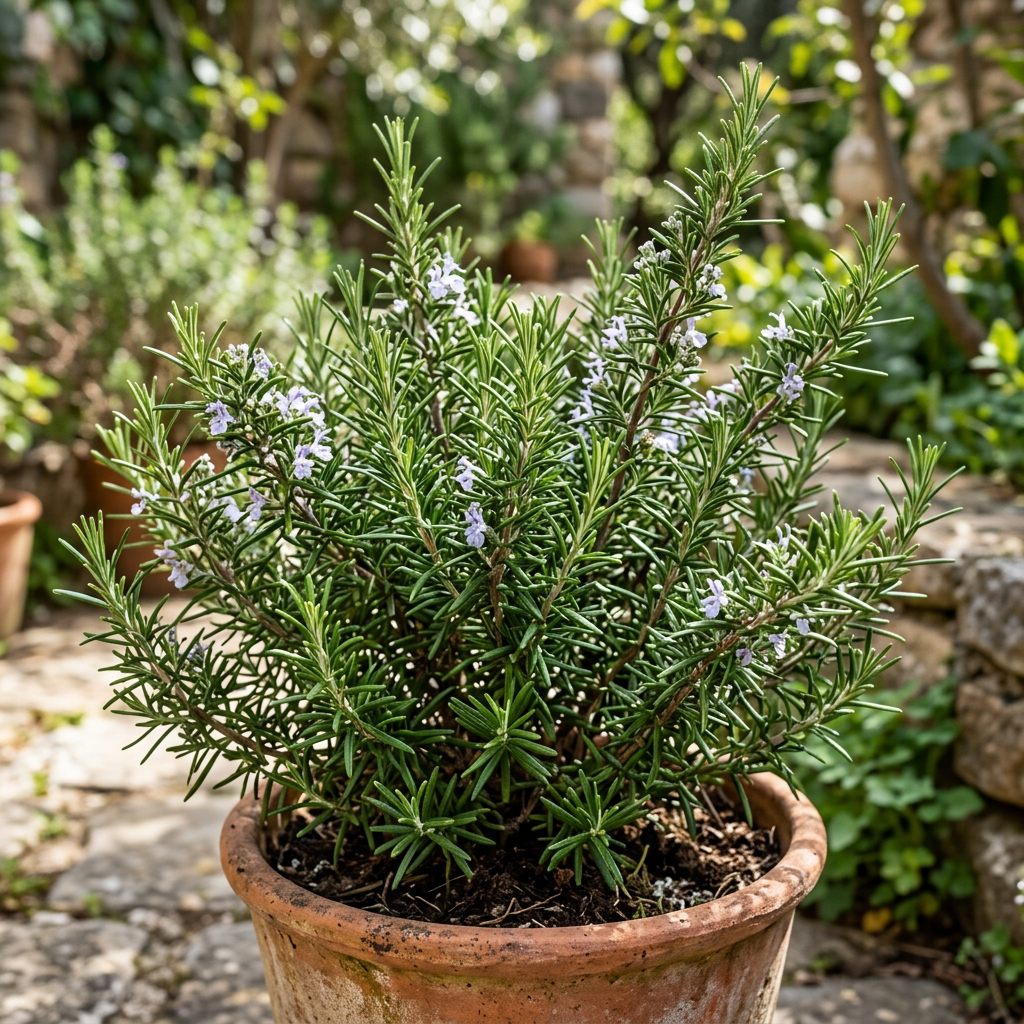
If you’re just starting out, I’d keep it simple. Herbs like basil, parsley and rosemary are forgiving, peppers are usually reliable, and cherry tomatoes are always rewarding when they get going (check out my other posts for more inspo).
Depending on the season, you can also grow things like lettuce, kale, bush beans, green onions, strawberries and even sweet potatoes in containers.
The biggest tip I can give you is to grow what’s in season. A healthy tomato planted at the right time will always do better than trying to force one through the middle of summer.
Watering Matters More Than You Think
Containers dry out much faster than garden beds, especially during a Florida summer.
That doesn’t necessarily mean watering all day, every day, but it does mean checking them regularly. Some weeks you’ll barely need to water. Other weeks, especially when it’s hot and windy, they’ll need a drink every morning.
Adding a layer of mulch on top of the soil helps keep moisture in and stops the roots from getting quite so hot.
Feed Your Plants
Every time you water, a little bit of the nutrients washes out of the pot.
That’s why container plants need feeding more often than plants growing in the ground. A slow-release fertilizer when you plant, followed by a liquid feed every few weeks, is usually enough to keep most vegetables happy.
You don’t need anything complicated. Being consistent is more important than buying the most expensive fertilizer.
Make the Most of Small Spaces
One thing I love about container gardening is how much food you can grow in a really small area.
Use a trellis for beans or cucumbers, grow herbs in smaller pots around the edges and group your containers together so watering is easier. Before you know it, even a small patio can turn into a surprisingly productive little food garden.
A Few Mistakes to Avoid
Everyone makes mistakes when they first start gardening (I definitely have), but avoiding a few common ones will save you a lot of frustration.
-Using garden soil instead of potting mix.
-Picking pots that are too small.
-Forgetting to fertilize.
-Letting containers dry out completely.
-Planting vegetables at the wrong time of year for Florida.
Most gardening problems come back to one of those five things.
Final Thoughts
Container gardening is proof that you don’t need a big backyard to grow your own food. Whether you’ve got a balcony in St. Pete, a small patio in Tampa or just a sunny corner outside your front door, you can grow a surprising amount with a few well-chosen pots.
If you’re just getting started, don’t feel like you have to grow everything at once. Pick a couple of vegetables you actually enjoy eating, learn as you go, and add more each season. Gardening isn’t about getting it perfect the first time—it’s about getting started.
 Growing Tampa Bay by Terralink
Leave a comment